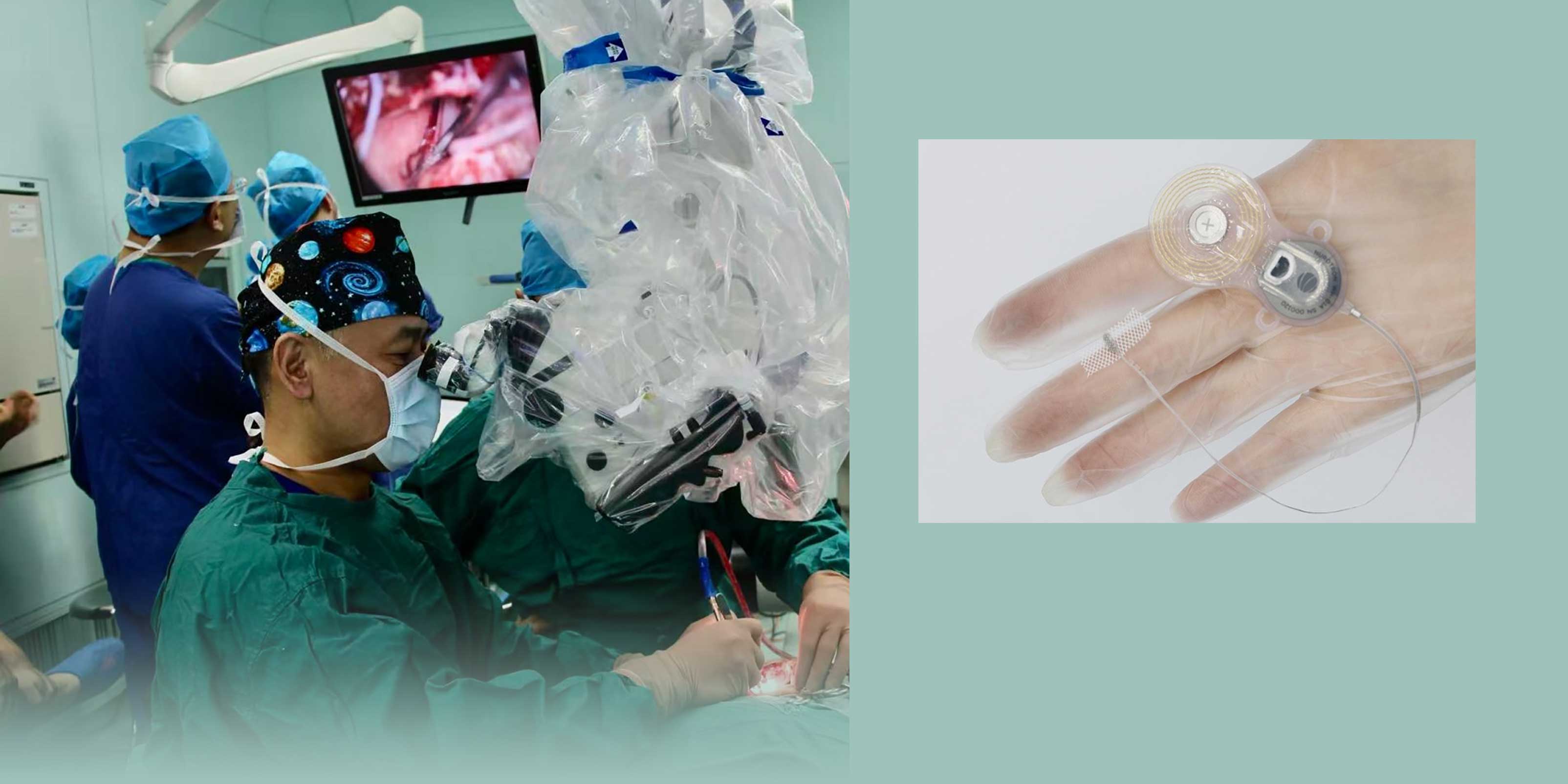
China Approves Nation’s First Brainstem Implant for Deafness
China has approved its first auditory brainstem implant for clinical use among deaf patients amid a national push to commercialize brain-computer interface (BCI) technologies.
Approved Oct. 19 by China’s National Medical Products Administration, the implant — dubbed Nurotron WH-01A — is classified as a Class III medical device, the highest-risk category under the country’s medical device classification system.
The device was developed by a team led by Wu Hao, a surgeon and professor of otolaryngology at Shanghai Jiao Tong University School of Medicine’s Ninth People’s Hospital, in collaboration with Zhejiang Nurotron Biotechnology, headquartered in the eastern city of Hangzhou.
It is designed to restore hearing in patients who cannot benefit from conventional cochlear implants because of severe inner-ear malformations or an absent cochlear nerve, which normally carries auditory information from the inner ear to the brain.
Unlike cochlear implants, which stimulate the nerve via the inner ear, the auditory brainstem implant bypasses both the cochlea and the cochlear nerve, delivering electrical impulses directly to the cochlear nucleus, a brainstem structure through which all sound information enters the brain and where sound processing begins.
The system consists of six components, including a stimulator and a receiving coil. Used with Nurotron’s cochlear speech processor, located outside the patient’s body, it converts digital signals into electrical pulses that directly stimulate the cochlear nucleus.
Eligible patients include children aged 2 to 6 with “nonsyndromic deafness,” or deafness without other associated medical conditions or physical abnormalities, as well as those whose deafness was not caused by tumors or who cannot benefit from cochlear implants.
By 2024, the team had completed the implant surgeries and follow-up procedures for its clinical trial. The device achieved an overall treatment effectiveness rate of almost 97% after 12 months of activation, they told domestic media.
The approval comes as China ramps up efforts to advance its BCI industry toward clinical use and commercialization. China’s national development plan, part of its most recent five-year plan (2026–2030), identified BCI as one of six future industries. In July 2025, seven national ministries jointly set guidelines and targets for fostering a globally competitive BCI industry by 2030.
National regulators have also accelerated BCI device approvals for patient populations including those affected by stroke, Parkinson’s disease, Alzheimer’s disease, and spinal cord injuries. In March, the country approved its first BCI kit, designed to help patients with quadriplegia caused by cervical spinal cord injuries regain limited hand function.
China’s BCI market is expected to exceed 6 billion yuan ($900 million) by 2028, with a compound annual growth rate of roughly 18% between 2024 and 2028, according to domestic research agency CCID Consulting.
Editor: Marianne Gunnarsson.
(Header image: Left: Professor Wu Hao’s team during an auditory brainstem implant surgery. Right: The auditory brainstem implant recently approved for market release. From the website of Shanghai Ninth People’s Hospital)