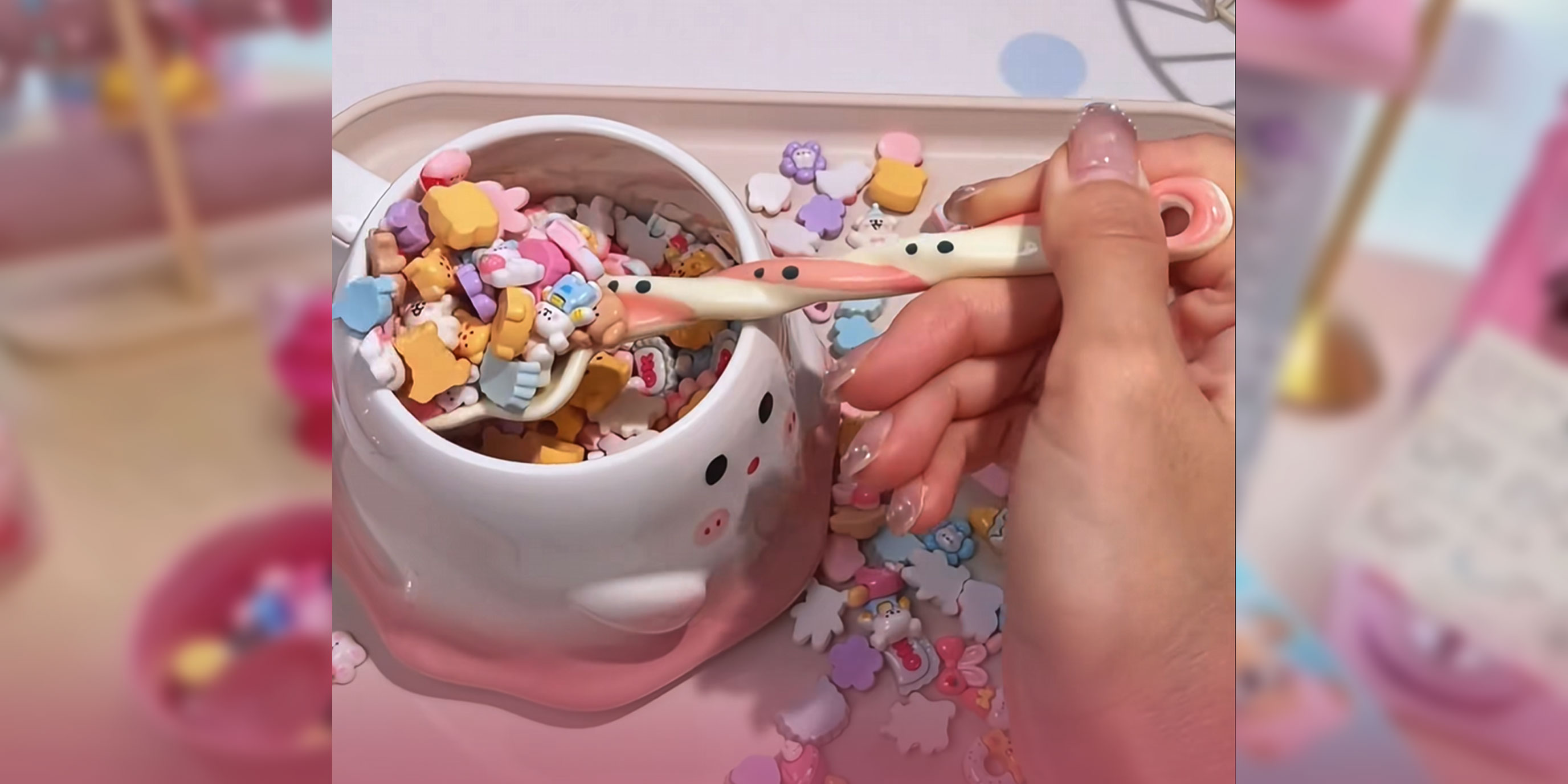
‘Blind Scoop’: The Online Shopping Craze Taking Hold of China
A new shopping fad reminiscent of blind-box retail and known as “blind scoop,” or mangshao, in which users preorder mystery items and then watch sellers reveal them on camera, is trending on Chinese short-video and e-commerce platforms.
Blind scoop first emerged on TikTok in October 2025, becoming popular overseas before catching on among Chinese influencers earlier this year. Public discussion of the trend has surged in China over the past week in the wake of rising consumer complaints about low product value and refund policies. As of Wednesday, a related hashtag had garnered more than 310 million views on Douyin, the Chinese version of TikTok.
The trend involves consumers placing an order online and watching a seller via livestream or prerecorded video use a spoon to fish out small colored beads or tokens from a container. Each bead corresponds to a real product, which is then revealed, packed, and shipped to the consumer on camera.
Prices for a single blind scoop generally range from 30 to 100 yuan ($4 to $14), but some higher-tier packages can cost up to 1,000 yuan. Most prizes are low-cost lifestyle goods such as stationery, plush toys, small accessories, figurines, and pop culture merchandise.
Similar to blind boxes and collectible cards, blind scoop is part of the growing trend of “emotionally driven consumption,” in which purchasing decisions are increasingly guided by utility or price as well as emotional experience and psychological satisfaction. The emotionally driven consumption market in China — spanning physical goods such as designer toys, pet-related products, stress-relief items, and fragrances — is projected to hit 3 trillion yuan this year and 4.5 trillion yuan by 2029, according to a report by research agency iiMedia.
Li Yiduo, 32, from eastern Shandong province’s Zibo City, says she first encountered blind scoop videos in March after developing depression and anxiety due to a recent breakup. She began watching them daily, drawn to their calming, cheerful atmosphere.
“It felt healing,” she told Sixth Tone. “Everything looked cute, and they helped improve my mood.”
Over time, she decided to become a seller herself. With less than 10,000 yuan put aside for startup costs, she traveled to the eastern city of Yiwu, the world’s largest wholesale market for small consumer goods. There, she began sourcing products that she felt were practical, affordable, and useful in daily life.
“I would avoid things that felt too trivial, like stickers or pencils,” she said. “Even emotional consumption should have real value.”
She now runs her shop part time from home, packing items and filming during the day and editing videos at night. She receives around one to two orders per day, making about 10 yuan per order.
“It’s not really about profit yet,” she said. “It’s more about passion and helping myself feel better.”
Zhang Xiaoxin, a 20-year-old college student from the northeastern city of Harbin, placed her first blind-scoop order in January, spending roughly 130 yuan on two draws.
“After watching others’ packaging videos for months, I wanted the shop owner to make me a personalized video,” she said, describing them as “small, personal moments that can also be shared with others.”
Although the format revolves around random draws, Zhang said sellers often adjust selections based on customer preferences. She told her seller she preferred pink items and the character Melody from the Japanese toy and entertainment company Sanrio.
“Compared with buying these things directly, I like the unpredictability of the experience,” Zhang said, adding that she finds the experience “relaxing and therapeutic.”
However, in the last week, criticism has grown over product quality and pricing transparency regarding blind-scoop purchases. Consumer complaints about receiving items of significantly lower value than advertised during livestreams have surged online, with many noting that such products can be purchased more cheaply elsewhere.
Others allege that the model is a way for sellers to clear inventory, with livestreams used to inflate item prices.
Experts have warned that many of the same risks associated with the popular blind box trend also apply to blind scoop, including product value opacity, limited after-sales protections, and the potential for impulsive spending. A government consumer rights protection committee in China’s central Hunan province urged shoppers earlier this week to carefully review purchase rules and return policies and avoid impulsive purchases driven by online trends.
Editor: Marianne Gunnarsson.
(Header image: A screenshot from a blind scoop livestream. From Xiaohongshu)